
Paid online consultations are available by appointment. For booking, please contact us via Whatsapp.

In short
What Is Spasticity Surgery?
Spasticity surgery means operations that ease muscle stiffness from brain or spinal cord damage. The main options are selective dorsal rhizotomy (SDR), a baclofen pump, selective peripheral neurotomy and orthopedic surgery. Doctors consider them when physiotherapy, medicines and injections no longer give enough relief.
In spasticity, a muscle resists more, especially when you stretch it fast. This happens because the damaged brain or spinal cord no longer calms the stretch reflex. As a result, muscles tighten, jerk and slowly shorten over time.
Surgery does not cure the underlying condition. Instead, it removes a barrier, so therapy can build strength, walking, comfort or easier care.
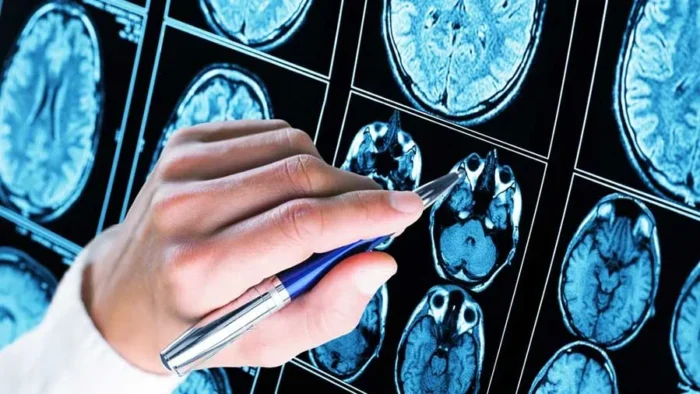
What causes spasticity?
Spasticity follows damage to the movement pathways of the brain or spinal cord. Common causes include:
- Cerebral palsyThe most common cause in children
- StrokeOften one arm and leg, weeks after a stroke
- Spinal cord injuryStiffness and spasms below the injury
- Multiple sclerosisStiffness that varies from day to day
- Brain injuryAfter trauma or a lack of oxygen
- Other causesHereditary spastic paraplegia or spinal cord tumors
Where Are You in Your Decision?
First, find the situation closest to yours. Then, each link explains which operation doctors usually discuss and why.
- 01We have not tried all other treatments yetTherapy, medicines and injections usually come first
- 02My child walks, but both legs are stiffCerebral palsy with leg spasticity: selective dorsal rhizotomy
- 03Stiffness affects the whole body and daily careSevere spasticity in the arms and legs: baclofen pump
- 04One area is the problemA tight foot, knee, elbow or hand: selective peripheral neurotomy
- 05Joints are already fixed or deformedContractures and hip problems: orthopedic surgery
- 06Spasticity after stroke, spinal cord injury or MSAdults often have different goals and options
Spasticity Surgery Options: Who Fits Which?
Each operation works at a different point of the stretch reflex. Therefore, the choice depends on the stiff areas, muscle strength and your goals.
Before surgery: therapy, medicines and injections
Generally, surgery comes only after a fair trial of simpler treatments. Most patients combine several of them:
- Physiotherapy, stretching, splints and serial casting
- Oral medicines such as baclofen or tizanidine, which can cause drowsiness
- Botulinum toxin injections, which relax chosen muscles for three to four months
- Nerve blocks, which also preview the result of nerve surgery
If these help too little, or wear off too soon, surgery is worth discussing.
Selective dorsal rhizotomy (SDR)
SDR permanently reduces leg spasticity by cutting selected sensory nerve rootlets in the lower spine. During surgery, the team stimulates each rootlet and divides only those with abnormal responses. It suits these patients best:
- Children with spastic diplegia from cerebral palsy, usually from about age 3
- GMFCS level II or III, as NICE guidance recommends
- Good underlying strength and little or no dystonia
- A family ready for months of intensive therapy
However, stiffness sometimes hides weak muscles. So strengthening therapy matters as much as the operation itself.
Intrathecal baclofen (ITB) pump
A small pump under the belly skin sends baclofen into the fluid around the spinal cord. Because the dose reaches the cord directly, it causes less drowsiness than tablets. It fits these situations:
- Severe spasticity in the arms and legs (GMFCS III to V)
- Spasticity mixed with dystonia
- Adults with spinal cord injury, MS, brain injury or stroke
- People who want an adjustable, reversible treatment
Also, doctors can adjust the dose at any time, or remove the pump. However, it needs refills every few months and a new pump about every seven years.
Selective peripheral neurotomy
This operation treats one stiff area, such as a pointed foot or a clenched hand. Specifically, the surgeon partly cuts the motor branches to that muscle, guided by stimulation.
It suits focal spasticity that responded well to botulinum toxin but keeps returning. Also, a temporary nerve block beforehand predicts the likely result.
DREZ-otomy
DREZ-otomy makes small, precise lesions where sensory roots enter the spinal cord. Surgeons reserve it for severe, painful spasticity in a limb without useful movement. The same technique also treats some nerve pain, as our pain surgery page explains.
Orthopedic surgery
Orthopedic surgery treats the effects of long-standing spasticity on muscles, tendons and bones. For example, surgeons lengthen or move tendons, realign bones and treat hip displacement.
It often complements nerve surgery rather than replacing it, for example tendon surgery years after SDR. Surgeons also time these operations carefully in children, because tightness can return with growth.
Adults: stroke, spinal cord injury and MS
In adults, goals often differ from those in children. For example, fewer painful spasms or easier hygiene may matter more than walking speed.
For widespread stiffness, a baclofen pump is the most common operation. In contrast, one stiff hand, elbow or foot often suits neurotomy or tendon surgery. SDR in adults is possible but less common, and results vary.
Questions at this stage
Is SDR better than a baclofen pump?
Neither is better for everyone. SDR suits walking children with leg spasticity and gives a permanent, one-time result. In contrast, a pump suits severe, widespread stiffness and lets doctors change the dose over time.
Can adults have selective dorsal rhizotomy?
Yes, but it is less common than in children. Some adults walk and balance better afterward, while others notice numbness or pain. Therefore, careful selection matters even more.
Is Surgery Right for You?
Surgery makes sense when spasticity limits daily life despite good non-surgical care. However, it is not right when stiffness actually helps a person stand or walk.
Surgery is worth discussing if:
- Stiffness blocks walking, sitting or sleep despite therapy
- Injections work but wear off too quickly
- Spasms cause pain or make washing and dressing hard
- Joints start to tighten or the hips drift out of place
Seek urgent care for:
- Pump users: sudden return of stiffness, itching, fever or confusion
- A pump alarm, or a missed refill date
- After surgery: fever, a red or leaking wound, or new bladder problems
- A sudden jump in spasticity, which can signal infection or a pressure sore
Stopping intrathecal baclofen suddenly can also be dangerous. For this reason, NICE advises families to get expert advice before any pause in treatment. Also, new stiffness without a known cause needs an MRI first.
Spasticity Surgery Options Compared
This table sums up the main operations. In practice, the team then adapts it to each patient.
| Operation | Best suited for | How it works | Permanent? | Hospital stay and recovery |
|---|---|---|---|---|
| Selective dorsal rhizotomy (SDR) | Children with cerebral palsy and leg spasticity, GMFCS II-III | Cuts selected sensory rootlets in the lower spine | Yes | Several days in hospital; therapy several times a week for 3-6 months |
| Baclofen pump (ITB) | Severe, widespread spasticity, with or without dystonia | Delivers baclofen into the spinal fluid through a thin catheter | No: adjustable and reversible | A few days in hospital; dose changes over weeks; refills every few months |
| Selective peripheral neurotomy | One stiff area: foot, knee, hip, elbow, wrist or hand | Partly cuts the motor branches to the spastic muscle | Long-lasting; stiffness can partly return | Short stay; splint and therapy for several weeks |
| DREZ-otomy | Severe, painful spasticity in a limb without useful movement | Small lesions where sensory roots enter the cord | Yes | Several days in hospital |
| Orthopedic surgery | Fixed contractures, joint deformity, hip displacement | Lengthens or moves tendons and realigns bones | Yes, but tightness can return with growth | Casts or braces for weeks; rehabilitation for months |
Which spasticity surgery is permanent?
SDR, neurotomy, DREZ-otomy and orthopedic surgery all make permanent changes. In contrast, doctors can adjust a baclofen pump or reduce it gradually. That flexibility suits conditions that change over time, such as MS.
How Doctors Match Surgery to Walking Ability
For children with cerebral palsy, doctors use the Gross Motor Function Classification System (GMFCS). It sorts usual movement into five levels, and each level points to different options.
| Level | Usual movement (age 6 to 12) | Options often discussed |
|---|---|---|
| Level I | Walks everywhere; running and jumping are harder | Therapy and injections; surgery is rarely needed |
| Level II | Walks without a device, but slopes, stairs and long distances are hard | SDR; orthopedic surgery for fixed problems |
| Level III | Walks with a walker or crutches; uses a wheelchair for longer trips | SDR in selected children; baclofen pump; orthopedic surgery |
| Level IV | Moves mostly with a powered wheelchair or adult help | Baclofen pump; hip and orthopedic surgery |
| Level V | Moves only with help; limited head and trunk control | Baclofen pump for comfort and care; hip surgery |
The level describes what a child usually does, not their best day. It also stays fairly stable over time, which helps families set realistic goals.
Many children with spasticity have other needs as well, such as seizures. Our pages on pediatric neurosurgery and epilepsy surgery cover these.
Which GMFCS levels suit SDR?
Levels II and III, according to NICE guidance. However, some children at other levels may still qualify after a careful team review. For example, at level IV the goal shifts to comfort and easier care.
Spasticity, Dystonia or Contracture?
These problems look alike, but each needs a different treatment. Therefore, the first visit focuses on telling them apart.
- SpasticityResistance grows with the speed of a stretch. SDR, a pump or neurotomy can help.
- DystoniaTwisting postures that change with effort or emotion. A pump or deep brain stimulation fits better.
- ContractureMuscle and tendon have shortened for good. Orthopedic surgery lengthens them.
Rigidity, as in Parkinson's disease, is yet another problem: it resists fast and slow stretch equally. For this reason, nerve operations for spasticity do not treat it.
Your treatment path
Your Path Through Spasticity Surgery
Treatment follows four steps. Each step answers one question, so you always know what comes next.
STEP 01
Assessment: what drives the stiffness?
First, the team examines tone, strength, joint range and walking. Then, an MRI of the brain or spine shows the underlying injury.
- Spasticity scales such as the Modified Ashworth and Tardieu measure tone in each muscle group.
- Video gait analysis shows how each joint moves during walking.
- Goal setting records what matters most to the patient and family.
Does my child need an MRI before SDR?
Yes. A brain MRI confirms the type of injury and rules out other causes. In addition, spine imaging checks the anatomy before surgery.
STEP 02
Testing: how will the body respond?
Before a pump, a test dose of baclofen goes into the spinal fluid. Then, the team checks the effect within hours, as NICE guidance describes.
Before neurotomy, a temporary nerve block with local anesthetic previews the result. In addition, the team agrees on realistic goals with the family.
STEP 03
Surgery: precise and monitored
All of these operations take place under general anesthesia. During nerve surgery, electrical testing guides every cut.
- SDR: through a small incision in the lower back, the team tests about 15 to 25 rootlets on each side. The operation takes about four hours.
- Baclofen pump: the pump sits under the belly skin, and a thin catheter runs to the spinal canal. It is a shorter operation than SDR.
- Neurotomy: through a short incision near the nerve, stimulation identifies each branch before any cut.
Is spasticity surgery painful?
You sleep through it under general anesthesia. Afterward, wound pain is common for a few days, and medicines control it. After SDR, the nerve testing can also cause discomfort for a day or two.
STEP 04
Rehabilitation: where the gains happen
After SDR, children usually stay in hospital for several days and lie flat at first. Then, therapy continues several times a week for three to six months.
After a pump, the team adjusts the dose over several weeks. Meanwhile, therapy turns lower tone into better sitting, standing or walking.
When do results show after SDR?
Tone drops right after surgery. However, walking gains build over months of therapy, and many children keep improving for a year or more.
When can international patients fly home?
Your surgeon decides after the wound check, usually once the wound heals. Before you fly, arrange a physiotherapist and a therapy plan at home. For a pump, you also need a nearby center for refills.
Spasticity Surgery in Istanbul
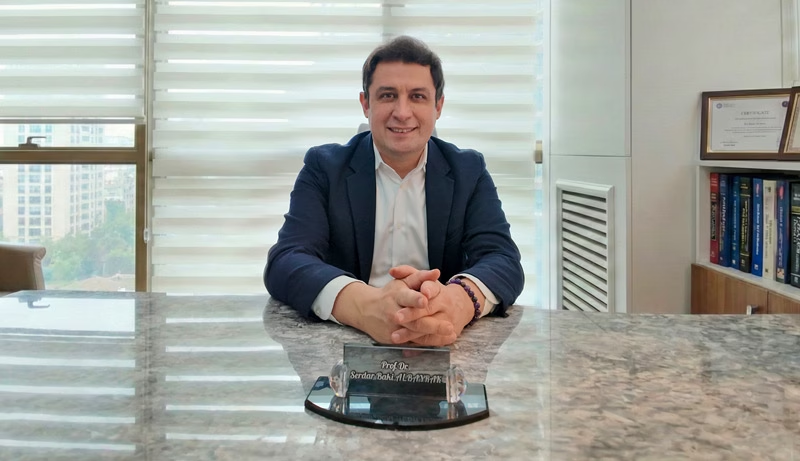
Prof. Dr. Serdar Baki Albayrak
Neurosurgeon · Functional and Pediatric Neurosurgery
Spasticity surgery works best when the operation matches the patient's real goal. Therefore, Prof. Albayrak plans each case with rehabilitation specialists and the family.
27+Years
5,000+Operations
64Countries
Figures from Prof. Albayrak's professional profile, September 2026.
Request an AppointmentFrequently Asked Questions
What is the success rate of spasticity surgery?
It depends on the operation and the goal. For example, many children move up one mobility level after SDR. So results always depend on careful selection and months of therapy.
What are the risks of spasticity surgery?
Every operation carries a risk of infection and bleeding. SDR also adds a small risk of spinal fluid leak, numbness or bladder changes. In contrast, a pump can develop catheter or dosing problems.
Is there a cure for spasticity?
Surgery cannot repair the original brain or spinal cord injury. However, SDR reduces leg spasticity for good, and a pump controls it while it runs. As a result, many people live with far less stiffness.
Which doctor performs spasticity surgery?
A neurosurgeon performs SDR, pump implantation, neurotomy and DREZ-otomy. Meanwhile, orthopedic surgeons treat bones and tendons. Prof. Dr. Serdar Baki Albayrak treats spasticity in both children and adults in Istanbul.
Prof. Albayrak's Published Research
Peer-reviewed articles and book chapters written or co-written by Prof. Dr. Serdar Baki Albayrak on spinal cord injury and peripheral nerve surgery. Each link opens the record on PubMed or at the publisher. The full list of his 33 publications is on his profile.
- The effects of medroxy progesterone acetate on the pro-inflammatory cytokines, TNF-alpha and IL-1beta in the early phase of the spinal cord injury
- Management outcome of peroneal nerve injury at knee level: experience of a single military institution
- Doxorubicin for prevention of epineurial fibrosis in a rat sciatic nerve model: outcome based on gross postsurgical, histopathological, and ultrastructural findings
Public health information
- National Institute for Health and Care Excellence. Spasticity in under 19s: management (CG145).
- National Institute for Health and Care Excellence. Selective dorsal rhizotomy for spasticity in cerebral palsy (HTG245).
This page gives general medical information and does not replace a consultation. Diagnosis and treatment decisions need an examination by your own doctor.
Plan Your Treatment in Istanbul
Request an appointment with Prof. Dr. Serdar Baki Albayrak. The clinical team then guides international patients through every step of the visit.
Request an Appointment