
Paid online consultations are available by appointment. For booking, please contact us via Whatsapp.

How Long Does Brain Tumor Surgery Recovery Take?
Brain tumor surgery recovery usually takes 4 to 6 days in hospital, about 4 weeks of early healing at home and 1 to 3 months before a gradual return to normal life. Energy, memory and concentration can then keep improving for many more months.
However, no two recoveries match. Tumor type, tumor position and your strength before surgery all change the pace. So treat every time in this guide as a typical range, and let your surgeon set your own plan.
Here we cover open surgery through the skull, called a craniotomy. Our brain tumor treatment page explains the operation itself and the other options.
At a Glance
- Intensive careUsually the first night, sometimes up to 2 days
- First stepsOften the day after surgery, with help
- Hospital stayUsually 4 to 6 days in all
- Stitches outAround days 10 to 14
- Heavy liftingNone for at least the first 4 weeks
- Bone healingFull healing can take 6 to 12 months
Where Are You in Your Recovery?
First, pick the line closest to your situation. It then takes you to the matching part of this guide.
- 01Surgery lies ahead, and I want the full pictureThe timeline, stage by stage
- 02I am in hospital, or a relative isThe first days after surgery
- 03I just came homeWound, medicines and headaches
- 04When can I work, drive or exercise?Typical return times
- 05Something feels wrongWarning signs and when to call
- 06Recovering far from homeStay in Istanbul and care back home
Brain Tumor Surgery Recovery Timeline
Recovery moves through six stages, from close watch in intensive care to the slow return of stamina. This table shows what usually happens in each one, and what deserves your attention.
| Stage | What usually happens | Your main task |
|---|---|---|
| First 24-48 hours | Waking up, close checks in intensive care, head of the bed raised | Rest and answer the team's simple questions |
| Days 2-7 | First steps, move to the ward, drain removal, brain swelling at its peak | Walk with help and take your medicines |
| Weeks 1-2 | Home or a nearby hotel, much sleep, stitch removal, pathology result | Protect the wound and take short walks |
| Weeks 3-6 | Swelling settled, longer walks, further treatment planning | Build up activity slowly, with no heavy lifting |
| Months 2-3 | Gradual return to work and routine, follow-up MRI, therapy as needed | Pace your day around your energy |
| Months 3-12 | Stamina, memory and focus improve, and the skull bone finishes healing | Keep up scans, therapy and regular sleep |
Further treatment can stretch this picture. For example, radiotherapy and chemotherapy bring their own tiredness, so the last stages may take longer. Meanwhile, a small benign tumor removed without any new weakness often follows the faster end of each range.
Is recovery the same after benign and malignant tumor surgery?
The first weeks look much the same, because the operation drives them. After that, the paths differ. Benign tumors often need only MRI checks, whereas malignant tumors usually go on to radiotherapy or chemotherapy, which add fatigue.
Does recovery differ after surgery through the nose?
Yes. Endoscopic surgery through the nose leaves no skull opening, and the hospital stay often runs shorter. Nasal care and hormone checks then take priority, as our pituitary tumor surgery guide explains.
The First Days After Surgery
Most patients spend the first night in intensive care, then move to the ward and start walking the next day. In Prof. Albayrak's practice, the whole hospital stay averages 4 to 6 days.
Waking Up and Intensive Care
Short confusion in the first hours comes from the anesthetic, and it usually clears quickly. Meanwhile, nurses check your alertness, your pupils and the strength of your arms and legs. They also keep your head raised by about 30 degrees, which helps limit swelling.
First Steps on the Ward
Early walking matters, because it helps circulation and protects the lungs. So a physiotherapist usually gets you up within a day of leaving intensive care. If you have a wound drain, the team normally takes it out within 24 to 48 hours.
Brain Swelling in Days 3 to 5
Swelling around the surgical area usually peaks between days 3 and 5, so a mild headache or extra sleepiness may appear then. Your surgeon may prescribe steroids for this. With treatment, the swelling typically fades within 2 to 3 weeks.
Sleeping for most of the day causes no alarm at this stage, since the brain needs rest. Even so, a patient should wake easily and answer sensibly. If not, tell the team at once.
Why does my face look puffy after brain surgery?
Swelling after a craniotomy often drains into the face and around the eyes. It tends to look worse on days 2 to 4, then fades over about a week. Sleeping with your head raised also helps.
How much pain should I expect after a craniotomy?
Most people describe a headache and scalp soreness rather than severe pain, since the brain itself feels no pain. Regular pain relief usually controls it well. So tell the nurses early if it grows worse.
Recovering at Home: Wound, Medicines and Symptoms
At home, your three main jobs are to keep the wound clean and dry, take every medicine on schedule and rest often. A quiet, airy room also makes a real difference in the first weeks.
Wound Care and Washing
Keep the stitches dry, and avoid touching them. Also, put no cream or ointment on the wound unless your surgeon advises it. The stitches or staples usually come out at a clinic visit around days 10 to 14.
Ask your team when you can wash your hair. In Prof. Albayrak's practice, a protected shower often starts around days 7 to 10, once the wound line looks dry. In addition, US guidance suggests a shower cap until the stitches come out, and no hair dye for 3 to 4 weeks.
Medicines You May Take
Common prescriptions include seizure medicine, steroids and pain relief. Never stop a seizure medicine by yourself, even if you feel well. Likewise, ask your surgeon before you take aspirin or ibuprofen or restart a blood thinner, because these can raise bleeding risk.
What Feels Odd but Stays Normal
Itching, burning and numbness along the scar commonly appear as the skin heals. You may also hear a faint clicking where the bone slowly knits together. Headaches often flare with coughing or activity, and a little fluid under the skin may look worse in the morning.
How long do headaches last after brain tumor surgery?
Most headaches ease over the first few weeks as swelling settles. Some people still notice them with activity for a few months. A headache that keeps growing, or that pain relief does not touch, needs a call to your surgeon.
What should I eat after brain tumor surgery?
Choose protein-rich meals to support wound healing, plus fiber and plenty of water. Constipation matters here, because straining raises pressure in the head. If your surgeon gave you a special diet, follow that one instead.
When Can You Work, Drive and Exercise Again?
Light daily tasks usually return within about 4 weeks, and work within 1 to 3 months. Driving, however, follows its own rules, because it depends on seizure risk and your local licensing authority.
| Activity | Typical timing | What decides it |
|---|---|---|
| Short walks | From the first days, then longer each week | Balance and energy |
| Desk work | Often 4-12 weeks, ideally part-time at first | Focus, fatigue and further treatment |
| Physical work | Usually later than desk work | Bone healing, strength and balance |
| Lifting | Nothing heavy for at least 4 weeks; US guidance sets 9 kg as the limit for 2 months | Your surgeon's advice |
| Driving | Weeks to many months | Seizures, vision, tumor type and local law |
| Contact sports | At least 1 year | Risk of a blow to the head |
| Flying | UK aviation guidance: about 7 days at the earliest | Your surgeon's check before travel |
Going Back to Work
A phased return works well for most people, since mental stamina often lags behind physical strength. So start with shorter days and quieter tasks. Then add hours as your energy allows, and tell your employer that progress may come unevenly.
Driving After Brain Tumor Surgery
Wait for your surgeon's approval, and check the rules where you hold your license. UK drivers, for example, must tell the DVLA about a brain tumor, and the time off the road depends on the tumor, its position and your symptoms. Any seizure or vision gap usually extends the wait.
Exercise and Bending
Walking comes first, and it remains the safest way to rebuild stamina. Also, bend at the knees rather than the waist in the early weeks, because bending forward raises pressure in the head. Stairs call for a handrail until your balance feels secure.
Can I return to my job after brain tumor surgery?
Many people do, although the timing varies widely. Desk jobs usually come back first, whereas heavy or safety-critical work takes longer. So a short report from your surgeon and an occupational therapist can help you agree a phased plan with your employer.
Fatigue, Memory and Rehabilitation
Fatigue is the most common long-lasting complaint, and it can continue for several months. Memory, focus and mood may also change for a while. Targeted therapy helps with most of these effects.
Why You Feel So Tired
Your brain uses a great deal of energy to heal, and medicines and poor sleep add to the load. So plan your hardest task for your best hour, and take short rests before you feel drained. Gentle daily walks also tend to improve energy over time.
Memory, Focus and Mood
Many people notice slower thinking, lost words or low mood, and families often spot these changes first. The UK NHS lists fatigue, memory trouble and mood changes among the common effects of a tumor and its treatment. So mention them at each visit, even when they seem minor.
Which Therapy Helps Which Problem?
The right therapy depends on what the tumor or surgery affected. In Prof. Albayrak's practice, patients at risk of a new deficit go on to physiotherapy or speech therapy early. This matters most after awake surgery near language areas.
| Problem | Who helps | What the work looks like |
|---|---|---|
| Weakness, poor balance | Physiotherapist | Walking, strength and balance training |
| Clumsy hands, daily tasks | Occupational therapist | Dressing, cooking and hand skills |
| Word finding, swallowing | Speech therapist | Language drills and safe swallowing |
| Memory, attention | Neuropsychologist | Testing, then memory strategies |
Will my personality change after brain tumor surgery?
Some people notice irritability, low mood or less drive, especially after frontal lobe tumors. Often these changes ease as swelling settles and medicines fall. If they persist, a neuropsychologist can help you and your family, as our frontal lobe tumors guide explains.
Warning Signs During Recovery
Most symptoms improve week by week, so any sudden or growing problem deserves attention. Some signs need a call to your surgeon, while others call for emergency care right away.
Call your surgeon the same day for:
- Fever of 38.3°C (101°F) or higher, or chills
- Redness, swelling, pus or an opening along the wound
- A headache that pain relief does not ease
- More sleepiness or confusion than usual
Seek emergency care for:
- A seizure, especially a first, long or repeated one
- Clear fluid leaking from the wound or the nose
- Sudden weakness, numbness or trouble speaking
- Forceful vomiting with a severe headache
- Chest pain, shortness of breath or a swollen, painful leg
- A patient you cannot wake easily
These signs can point to bleeding, infection, rising pressure or a blood clot. So go to the nearest emergency department first, then contact your surgical team. Infection stays uncommon, yet it does occur: a case report he co-wrote describes an abscess in a tumor cavity after surgery.
Recovering Far From Home: Istanbul, Then Back Home
If you travel to Istanbul for surgery, plan to stay until the first wound check and the fit-to-fly check. Many plans come to about two weeks after the operation, ideally with a companion.
Before You Fly
UK aviation guidance advises waiting about 7 days after brain surgery, because air left inside the skull can expand at altitude. The US CDC also notes that flying soon after major surgery raises the risk of blood clots. So keep your return date flexible, and fly only after your surgeon confirms it.
Handover to Your Doctor at Home
Before you leave, collect the discharge summary, the pathology report, your medicine list and copies of all scans. Then book a visit with your local doctor and any therapy before you travel. Further treatment, such as radiotherapy, can often continue in your home country.
For a full travel plan, see our guide to how long to stay in Turkey after brain surgery. It also covers planning from the US and planning from the UK. From Canada, check with your provincial health plan and private insurer before you book.
What should a companion do during recovery in Istanbul?
A companion helps with meals, medicine times and short walks, and also watches for warning signs. Having one matters most in the first two weeks. In addition, they can take notes at the check before your flight.
Your care in Istanbul
From Your First Message to Life Back Home
Your treatment in Istanbul follows four clear steps. Each step then prepares the next stage of your recovery.
STEP 01
Request an appointment
Use the form on this page, WhatsApp or call +90 532 308 97 72. A short message is enough: your diagnosis, your country and your travel dates.
You can write in English or Turkish, so use whichever feels easier. The team then agrees the consultation date with you.
STEP 02
Consultation in Istanbul
First, Prof. Albayrak examines you at his clinic in Teşvikiye and goes through your MRI scans with you. He then explains whether surgery suits you, and which approach fits. Questions about recovery worth asking include:
- How long will I likely stay in hospital?
- What might change in my speech, strength or vision?
- When can I fly, work and drive in my case?
STEP 03
Surgery and hospital stay
If you choose surgery, the operation takes place in a hospital in Istanbul. Prof. Albayrak names the hospital at the consultation, along with the likely stay. Your recovery then starts in intensive care, as this guide describes.
STEP 04
Recovery, fitness to fly and follow-up
After discharge, you rest at a nearby hotel, and the team removes the stitches at a clinic visit. Then, before the flight, your surgeon checks the wound and confirms that you can fly.
Who follows me after I fly home?
Your local doctor usually takes over day-to-day care, using the discharge summary and your scan copies. If you need radiotherapy or chemotherapy, a local oncology team can run it. So arrange these visits before you travel.
Your Brain Tumor Surgeon in Istanbul
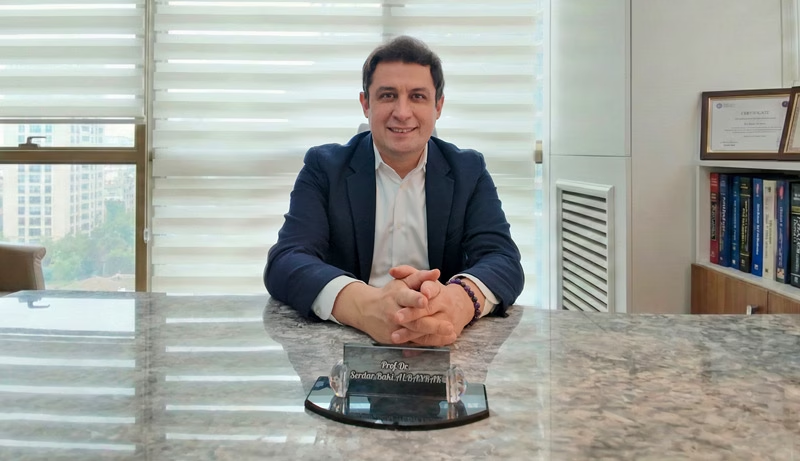
Prof. Dr. Serdar Baki Albayrak
Neurosurgeon · Full Professor of Neurosurgery
Recovery starts with the surgical plan, so Prof. Albayrak uses microsurgery to protect delicate brain tissue. He also discusses likely changes in strength, speech and vision with you before the operation.
He completed his neurosurgery training at Istanbul University in 2004. He then took clinical fellowships at the University of Helsinki and Harvard Medical School. At Harvard, he trained at Brigham and Women's Hospital.
27+Years
5,000+Operations
64Countries
33Publications
Figures from Prof. Albayrak's professional profile, September 2026. See his full publication list.
Request an AppointmentFrequently Asked Questions
What is the hardest part of brain surgery recovery?
For many people, fatigue and slow thinking feel harder than the wound. They last longer, and other people cannot see them. So plan rest into each day, and tell your family what to expect.
Will I have seizures after brain tumor surgery?
Some people do, because surgery and the tumor can both irritate the brain surface. For this reason, your surgeon may prescribe seizure medicine. Take it exactly as written, and ask before making any change.
Can a brain tumor come back after surgery?
Yes, depending on the tumor type and how much came out. Benign tumors removed fully seldom return, while gliomas often do. So regular MRI scans continue after surgery, and our recurrent glioblastoma surgery guide covers the options if one grows back.
When will my hair grow back after a craniotomy?
Hair usually regrows within a few months, and it often covers the scar. Radiotherapy to the area can slow this, or cause patchy loss. Until then, a loose hat or scarf works well, while a wig should wait 3 to 4 weeks.
Prof. Albayrak's Published Research
None of Prof. Albayrak's papers focuses on recovery alone. The closest cover an abscess in a tumor cavity after surgery, microsurgery for pineal region lesions and MRI during neurosurgery. Each link opens the record; his profile lists all 33 publications.
- Postoperative cerebral abscess formation caused by Toxocara canis in a meningioma cavity
- Microsurgical management of pineal region lesions: personal experience with 119 patients
- Intra-operative magnetic resonance imaging in neurosurgery
Public health information
- MedlinePlus, US National Library of Medicine. Brain surgery: discharge.
- MedlinePlus, US National Library of Medicine. Brain surgery.
- NHS. Non-cancerous (benign) brain tumours.
- National Cancer Institute. Adult Central Nervous System Tumors Treatment (PDQ), patient version.
- UK Civil Aviation Authority. Surgical conditions: guidance for health professionals.
- US Centers for Disease Control and Prevention. Medical tourism.
- GOV.UK. Brain tumour and driving.
This guide gives general medical information and does not replace a consultation. So diagnosis and treatment decisions need an examination by your own doctor.
Last updated: 4 November 2026. Website editor: Prof. Dr. Serdar Baki Albayrak's clinic, [email protected].
Plan Your Brain Tumor Consultation in Istanbul
Request an appointment with Prof. Dr. Serdar Baki Albayrak. The team then helps you plan the dates of your visit.
Request an Appointment