
Paid online consultations are available by appointment. For booking, please contact us via Whatsapp.

In short
What Is a Spinal Cord Stimulator?
A spinal cord stimulator (SCS) is a small device that sends mild electrical pulses to the spinal cord to ease chronic nerve pain. However, it does not remove the cause of pain. Instead, it changes how pain signals reach the brain.
Doctors call this treatment neuromodulation. First, you try the system for about a week with temporary leads. Then, you keep it only if your pain drops by at least half.
Moreover, the system is reversible, so a surgeon can remove it if it stops helping. Many people also reduce their pain medicines, including opioids.
Stimulation works best for neuropathic pain, the burning or shooting pain of damaged nerves. In contrast, it helps less with pain from worn joints or muscles.
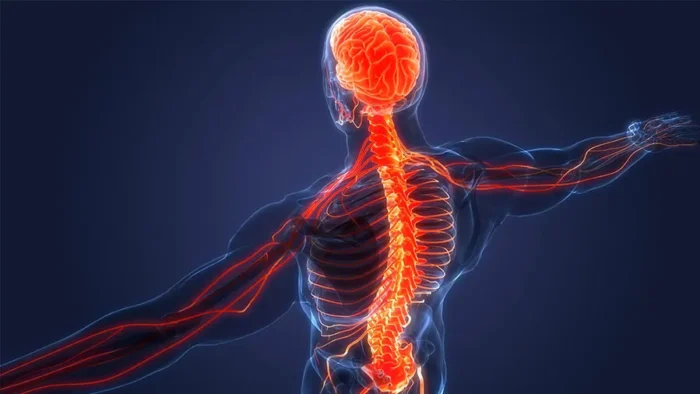
Which pain responds best?
Stimulation suits nerve pain best. For example, CRPS and pain after back surgery made up 82% of cases in one large series.
- Leg pain after spine surgeryPersistent nerve pain after one or more back operations
- Complex regional pain syndromeBurning pain and sensitivity in a hand or foot
- Painful diabetic neuropathyBurning or electric pain in the feet
- Chronic sciaticaNerve root pain in the leg that surgery cannot fix
- Nerve injury painPain after nerve damage, including some amputations
- Less suitedPain from arthritis, muscles or other non-nerve sources
Where Are You in Your Decision?
First, pick the situation closest to yours. Then, each link opens the part of this guide that answers it.
- 01I still have leg pain after back surgeryStimulation versus another spine operation
- 02I have burning pain after an injuryComplex regional pain syndrome and nerve injury pain
- 03My feet burn from diabetic neuropathyWhat high-frequency stimulation offers
- 04I am not sure I am readyWho should wait, and what to treat first
- 05I want to understand the trialHow the one-week test works at home
- 06I have cancer pain or a torn nerve rootOther pain operations compared
Who Is a Candidate for a Spinal Cord Stimulator?
Generally, you qualify if nerve pain has lasted at least six months despite good treatment. In addition, no fixable cause should remain, and a successful trial must confirm the benefit.
Leg pain after back surgery
Persistent leg pain after spine surgery is one of the main reasons for a stimulator. For example, 48% of stimulator patients in a randomized trial halved their leg pain within six months. In contrast, only 9% did with medical treatment alone.
A stimulator can also outperform a repeat operation. However, the surgeon first checks for a problem that surgery should fix, such as a trapped nerve.
Complex regional pain syndrome
CRPS causes burning pain, swelling and sensitivity, usually in a hand or foot. In a trial of CRPS in the legs, for example, dorsal root ganglion (DRG) stimulation helped 81% of patients. Standard stimulation, in contrast, helped 56%.
Stimulation also tends to work better earlier, before pain spreads and becomes entrenched.
Painful diabetic neuropathy
High-frequency (10 kHz) stimulation now treats burning foot pain from diabetes. In a randomized trial, for example, 79% of patients had at least 50% less pain. In contrast, only 5% did with medical treatment alone.
Good blood sugar control also matters, because infection rates run higher in people with diabetes.
Mind and body readiness
Chronic pain affects mood, sleep and energy. Therefore, the team always includes a psychological assessment, and it treats depression or addiction first.
- No active infection anywhere in the body
- A safe plan for blood thinners around each procedure
- Realistic goals: less pain and more activity, not zero pain
- A device choice that fits your future MRI needs
Questions at this stage
How long should I have pain before considering a stimulator?
Guidelines use at least six months of nerve pain despite proper treatment. For example, the UK's NICE also expects a successful trial before a permanent implant.
Is a spinal cord stimulator better than another back operation?
For persistent leg pain after spine surgery, often yes. In one randomized trial, for instance, stimulation succeeded in 47% of patients versus 12% after repeat surgery. However, a clear, fixable problem such as a trapped nerve still needs surgery.
Will a stimulator let me stop pain medicines?
Many patients reduce their pain medicines, and some stop them. Still, results vary, so the realistic goal is less medicine rather than none.
When to Consider a Stimulator, and When to Seek Urgent Care
A stimulator works best before pain takes over sleep, work and mood. However, some warning signs need urgent attention, with or without an implant.
Ask about spinal cord stimulation if:
- Nerve pain has lasted six months or more
- Medicines, physiotherapy and injections have not helped enough
- Your surgeon finds no problem that another operation can fix
- Opioid side effects limit your daily life
- You want to avoid a large repeat spine operation
Seek urgent care for:
- New leg weakness, or loss of bladder or bowel control
- Severe back pain with fever
- A headache that worsens when you sit or stand after a procedure
- Redness, swelling or discharge at a wound
In most cases, the first visit covers your pain history, past treatments and a pain diary. The team then decides whether a trial makes sense.
Types of Spinal Cord Stimulation Compared
Modern stimulators deliver pulses in different patterns. Some create a gentle tingling, but others work without any sensation.
| Type | How it feels | Key trial result | Notes |
|---|---|---|---|
| Tonic (traditional) | Tingling over the painful area | Leg pain after back surgery: 48% halved their pain vs 9% with medical care | Tingling can shift with posture |
| High-frequency (10 kHz) | No tingling | Back pain at 2 years: 76.5% responders vs 49.3% with tonic | Strong results in diabetic neuropathy too (79% vs 5%) |
| Burst | Little or no tingling | Outperformed tonic; 7 in 10 patients preferred burst | Often one of several programs on the same device |
| Dorsal root ganglion (DRG) | Focused on a small area, such as the foot or knee | CRPS in the leg: 81% success vs 56% with standard stimulation | Leads sit beside the nerve root, not over the spinal cord |
Which type of spinal cord stimulator is best?
No single type suits everyone. The choice depends especially on where the pain sits, whether you mind tingling and your MRI needs. Many modern devices also offer several patterns, so you can compare them during the trial.
What Results Can You Expect?
Doctors call a stimulator successful when pain drops by at least half. Overall, roughly half to four in five patients with an implant reached this goal in trials.
In addition, many patients gain function and quality of life and use fewer painkillers. However, relief can fade over time, and some patients need new settings or a revision.
Risks and Complications
Serious harm from a spinal cord stimulator is rare, but hardware problems are common enough to plan for. However, a short procedure fixes most of them.
Common and fixable
- Lead movement: 22.6% in a series of 707 patients, the most frequent problem
- Pain at the battery site: about 12%
- Lead connection failure or breakage: 6-10%
- Infection: about 4.5%, and higher in people with diabetes
Rare but serious
- Spinal fluid leak with a headache when upright
- Bleeding or infection around the spinal cord
- Nerve or spinal cord injury
- Gradual loss of benefit over time
In fact, no patient in the same 707-patient series had permanent neurological damage. Overall, hardware problems affected 38% of patients and needed a revision or replacement.
Can a spinal cord stimulator be removed?
Yes. A surgeon can remove the leads and battery in a short operation if the stimulator stops helping. Generally, infection and loss of benefit are the main reasons for removal.
Living With a Spinal Cord Stimulator
Most people return to normal routines once the wound heals. However, a few precautions stay with you.
- MRI: rules differ between device models, so always tell the radiology team before any scan
- Airports and shops: carry your device card, because security gates can briefly change stimulation
- Driving: turn stimulation off before driving or using heavy machinery
- Battery: non-rechargeable models usually last 3 to 5 years, while rechargeable ones can last 10 to 15 years
- Other treatments: tell every doctor, because diathermy and some procedures need precautions
Other Pain Surgeries Compared
Some pain needs a different operation. For example, cancer pain or pain after a torn nerve root may respond better to a targeted procedure.
| Operation | How it works | Best suited for | Key facts |
|---|---|---|---|
| Spinal cord stimulation | Pulses over the spinal cord change pain signals | Long-term nerve pain in the limbs or back | Trial first; reversible |
| DREZ lesioning | Destroys overactive pain cells where torn nerve roots entered the cord | Pain after a nerve root tears from the cord (brachial plexus avulsion) | Good or excellent relief in 68% of 57 patients; permanent |
| Cordotomy | Cuts the pain pathway on one side of the spinal cord | One-sided cancer pain below the neck | Mainly for advanced cancer; permanent |
| Intrathecal drug pump | Delivers tiny doses of pain medicine into the spinal fluid | Widespread cancer pain that tablets cannot control | Better pain control, fewer drug side effects than tablets in a trial |
Surgeons now reserve destructive operations, such as rhizotomy or myelotomy, for selected cases, mostly cancer pain. Pumps also treat severe spasticity, as our spasticity surgery page explains.
Other pain has its own operations, too. For example, trigeminal neuralgia treatment targets facial pain. Similarly, nerve decompression frees a trapped nerve at the wrist or elbow.
Is an intrathecal pain pump better than a spinal cord stimulator?
They solve different problems. A stimulator suits long-term nerve pain in the limbs. A pump, in contrast, suits widespread cancer pain that tablets cannot control.
Your treatment path
From Evaluation to Everyday Life
Spinal cord stimulation follows four steps. First, the team checks that stimulation fits your pain, and then a trial tests it at home. Finally, the permanent implant and programming complete the path.
STEP 01
Evaluation: is stimulation right for you?
First, the team goes through your pain history, past treatments and current medicines. Next, a physical examination and up-to-date spine imaging rule out a problem that needs another operation.
A psychological assessment also forms part of the plan, because mood and sleep shape pain.
Why do I need a psychological assessment?
Chronic pain affects mood, sleep and coping, and these in turn affect results. The assessment finds problems to treat first, so the stimulator has the best chance to help.
STEP 02
Trial: a one-week test drive
First, the doctor numbs your back and guides thin leads through a needle with X-rays. These leads sit near the spinal cord and then connect to an external battery.
Next, you use the system at home for about a week and keep a pain diary. The trial counts as successful when pain falls by at least half. Overall, three in four patients moved on to a permanent implant in one large series.
What if the trial does not work?
Then the doctor simply removes the temporary leads. No permanent implant follows, so you can explore other options.
STEP 03
Implant: the permanent system
The permanent implant usually takes one to two hours. Generally, the surgeon places the leads through a needle, or through a small bony opening for a paddle lead.
Next, the surgeon tunnels a wire under the skin to the battery, usually in the buttock or lower abdomen. Most patients go home the same day or the next morning.
Is spinal cord stimulator surgery major surgery?
Not usually. It uses small incisions, so most patients go home within a day. However, it still needs anesthesia, sterile technique and several weeks of careful movement.
STEP 04
Recovery and programming
A wound check then follows at about two weeks. Meanwhile, for four to six weeks, you avoid bending, lifting and stretching while the leads settle.
Programming visits fine-tune the settings over the first weeks. International patients generally fly home after the wound check, once the settings work well.
When can I go back to work after a stimulator implant?
Many people return to desk work within a couple of weeks. Physical jobs, however, usually wait until the movement limits end.
Pain Surgery and Spinal Cord Stimulation in Istanbul
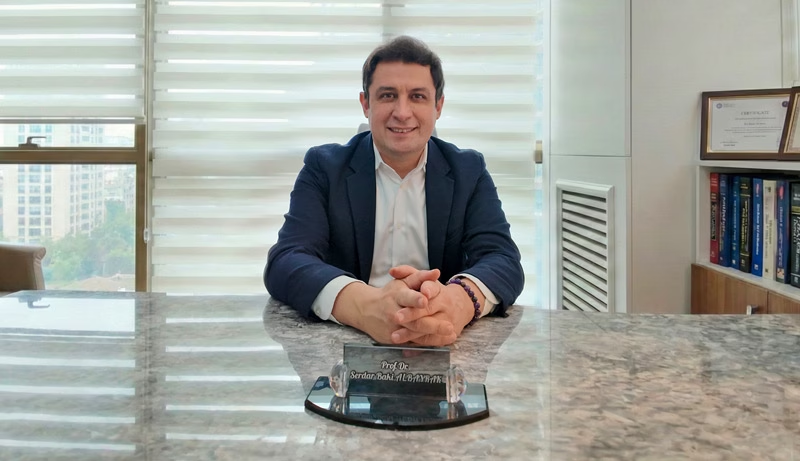
Prof. Dr. Serdar Baki Albayrak
Neurosurgeon · Pain Surgery and Neuromodulation
Good results depend on choosing the right patient and the right type of pain. Therefore, a trial comes before any permanent implant.
27+Years
5,000+Operations
64Countries
Figures from Prof. Albayrak's professional profile, September 2026.
Request an AppointmentFrequently Asked Questions
Is a spinal cord stimulator permanent?
No. You can switch it off, and a surgeon can also remove it. In practice, the leads and battery stay only as long as they help.
How long does a spinal cord stimulator battery last?
Non-rechargeable batteries generally last three to five years. Rechargeable batteries can last 10 to 15 years, but you charge them regularly.
Can I have an MRI with a spinal cord stimulator?
It depends on your device model, because MRI rules differ between systems. Therefore, always show your device card and tell the radiology team before any scan.
Does a spinal cord stimulator hurt?
The procedures cause some soreness for a few days. Afterward, most people feel either a mild tingling or nothing at all, depending on the stimulation type.
Which doctor implants a spinal cord stimulator?
Neurosurgeons and pain specialists implant these devices, often as a team. Prof. Dr. Serdar Baki Albayrak is a neurosurgeon who performs pain surgery in Istanbul.
Prof. Albayrak's Published Research
Peer-reviewed articles and book chapters written or co-written by Prof. Dr. Serdar Baki Albayrak on scar tissue after spine and nerve surgery. Each link opens the record on PubMed or at the publisher. The full list of his 33 publications is on his profile.
- Topical application of tacrolimus prevents epidural fibrosis in a rat postlaminectomy model: histopathological and ultrastructural analysis
- Doxorubicin for prevention of epineurial fibrosis in a rat sciatic nerve model: outcome based on gross postsurgical, histopathological, and ultrastructural findings
Public health information
- National Institute for Health and Care Excellence (NICE). Spinal cord stimulation for chronic pain of neuropathic or ischaemic origin (TA159): recommendations.
This page gives general medical information and does not replace a consultation. Diagnosis and treatment decisions need an examination by your own doctor.
Plan Your Pain Surgery Evaluation in Istanbul
Request an appointment with Prof. Dr. Serdar Baki Albayrak. The clinical team then guides international patients through every step of the visit.
Request an Appointment